
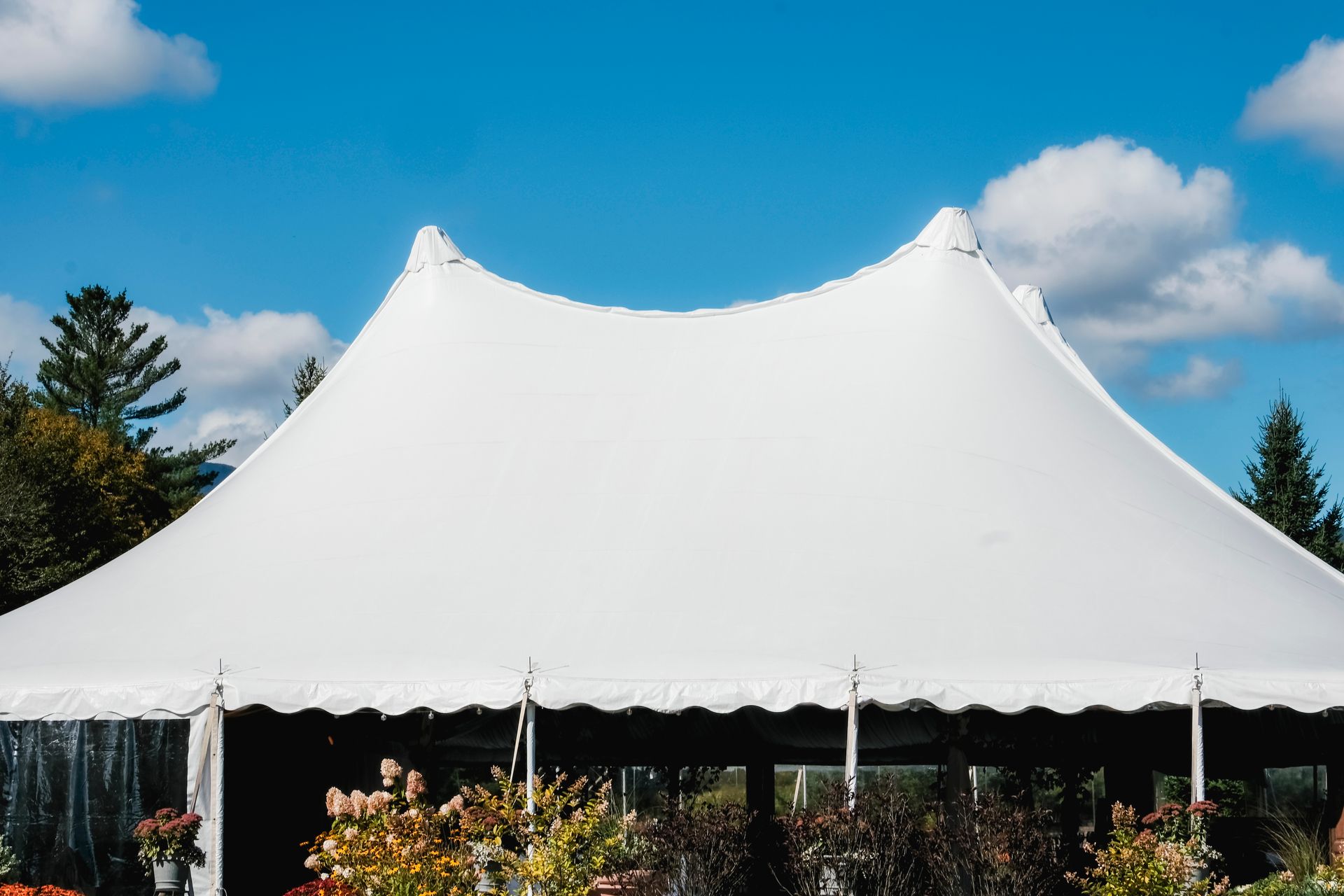
A one-day event can concentrate months of planning into one risk window
Weddings, festivals, fundraisers, markets, conferences and corporate functions combine guests, vendors, temporary equipment and contractual deadlines. The organizer, venue, caterer and performers may each carry insurance, but one party’s policy does not automatically protect the others.
Event insurance should be arranged early enough to review contracts and obtain required evidence before deposits become non-refundable.
Coverage depends on the event profile
Available event policies may include:
- Commercial general liability for covered bodily injury or property damage claims
- Additional insured status for a venue or municipality, when approved and endorsed
- Damage to rented premises or event equipment, subject to specific limits
- Liquor liability when alcohol is served, sold or furnished
- Participant, exhibitor, performer or athletic-activity coverage where available
- Event cancellation for defined insured causes—not every reason an event is postponed
- Non-owned automobile or hired automobile coverage for qualifying use
Fireworks, inflatables, amusement devices, contact sports, animals, overnight camping and large attendance can require specialist underwriting or be excluded. Do not assume a general event application includes them.
Review every contract and vendor role
Provide the venue agreement, municipality permit requirements and vendor contracts. Identify who controls security, alcohol, food, transportation, setup, teardown and emergency response. Confirm which vendors must provide certificates and additional insured endorsements.
A certificate is evidence of insurance; it does not amend a policy. The contractual liability page explains why insurance clauses and certificates need separate review.
Alcohol and permits require separate attention
An event involving alcohol may require a Special Occasion Permit or other authorization from the Alcohol and Gaming Commission of Ontario. Permit rules, municipal notices and responsible-service requirements depend on event type and location. Insurance does not replace those obligations. Review liquor liability coverage before alcohol arrangements are finalized.
Prepare a complete event schedule
Include dates and hours, location, attendance, age groups, revenue, activities, vendors, temporary structures, security, alcohol, prior claims and cancellation commitments. Note setup and teardown periods because exposure may begin before guests arrive.
Contact Westoak with the schedule and contracts. We can help determine which available event form fits the organizer’s role and where separate cancellation, liquor, property or automobile protection may be needed.