
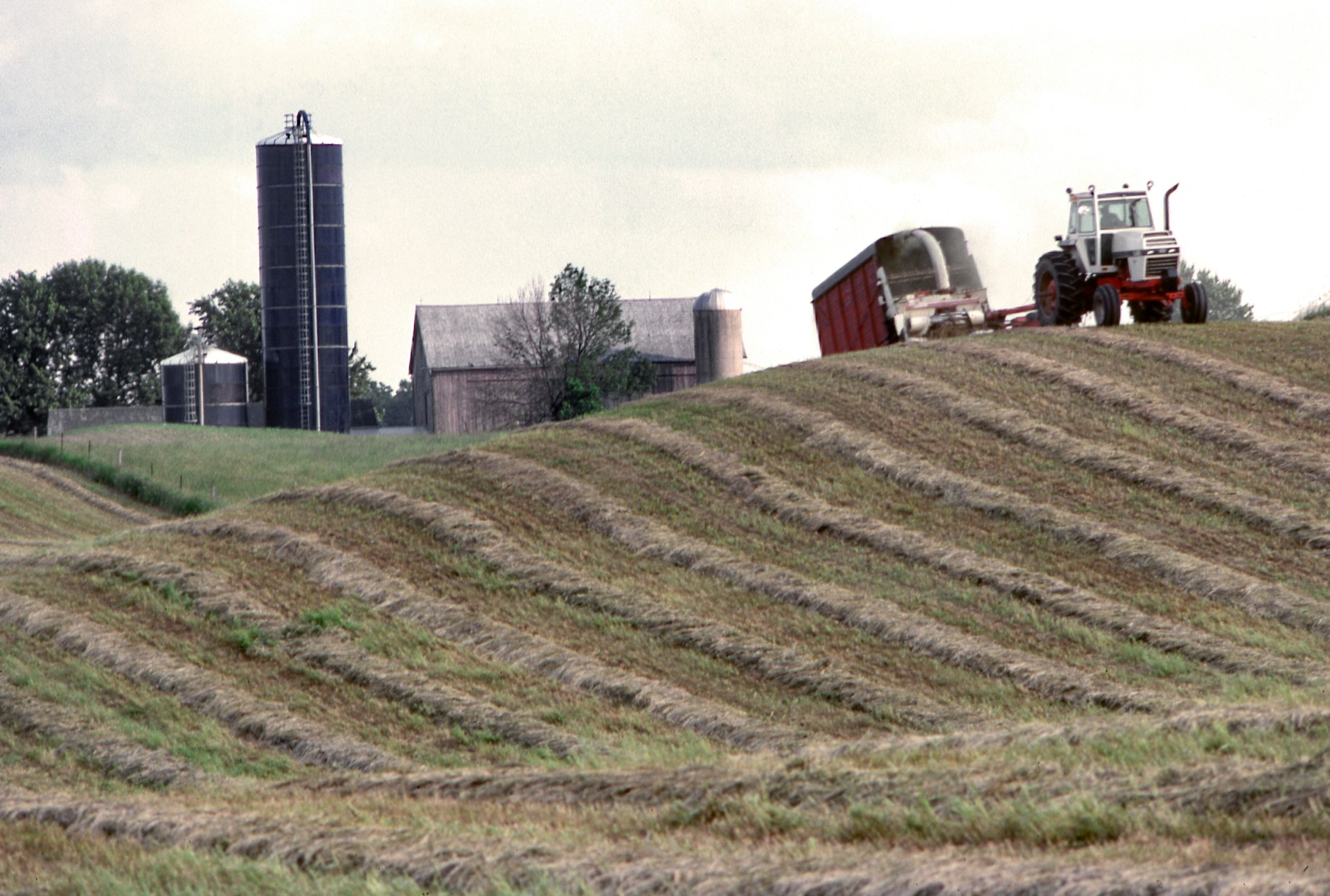
A farm combines home, business and biological assets
The farmhouse may be a residence, while barns, machinery, livestock, crops and stored products support commercial production. Seasonal values and income can change sharply during planting, harvest, breeding or storage. A standard home or commercial package may not reflect that combination.
Describe every operation, including rented land, custom work, roadside sales, agritourism, boarding, renewable energy, food processing and snow removal. Incidental activities can create material coverage differences.
Build a complete farm schedule
Prepare values and details for:
- Farm dwellings, barns, silos, greenhouses and other structures
- Machinery, mobile equipment, irrigation and electrical systems
- Livestock, poultry, crops, produce, feed and supplies
- Equipment and property borrowed, leased or used away from the farm
- Vehicles and trailers used on-road and off-road
- Revenue by commodity, seasonal peaks and key customers
Confirm valuation, co-insurance, debris removal, bylaw coverage and whether replacement cost is available for each property class. Specialized machinery may have long replacement lead times.
Review liability and environmental exposures
Farm liability can involve visitors, products, animals, spray drift, custom work or equipment operated away from owned land. Product contamination or recall expenses, pollution cleanup and nutrient or fuel releases may need separate coverage.
Written leases and service contracts should clarify responsibilities without assuming the policy covers every indemnity. Review environmental liability where fuel, chemicals, waste or off-site transport create a material exposure.
Plan for fire and production interruption
OMAFRA’s barn-fire guidance emphasizes maintenance, inspections, housekeeping, fire separation and emergency planning. Keep electrical, heating and equipment service records; control hot work; maintain accessible extinguishers and emergency contacts; and update responders on livestock and hazardous materials.
Estimate lost income and extra expense by production cycle. A property repair period may not capture the time needed to replace livestock, re-establish crops or regain production. Review business interruption and equipment breakdown using farm-specific assumptions.
Update coverage with the operation
Tell the advisor about new buildings, commodities, equipment, employees, tenants or public activities before they begin. Contact Westoak with the property and equipment schedules, revenue by operation, loss history and planned changes so available farm coverage can be assessed without overlooking seasonal concentrations.