
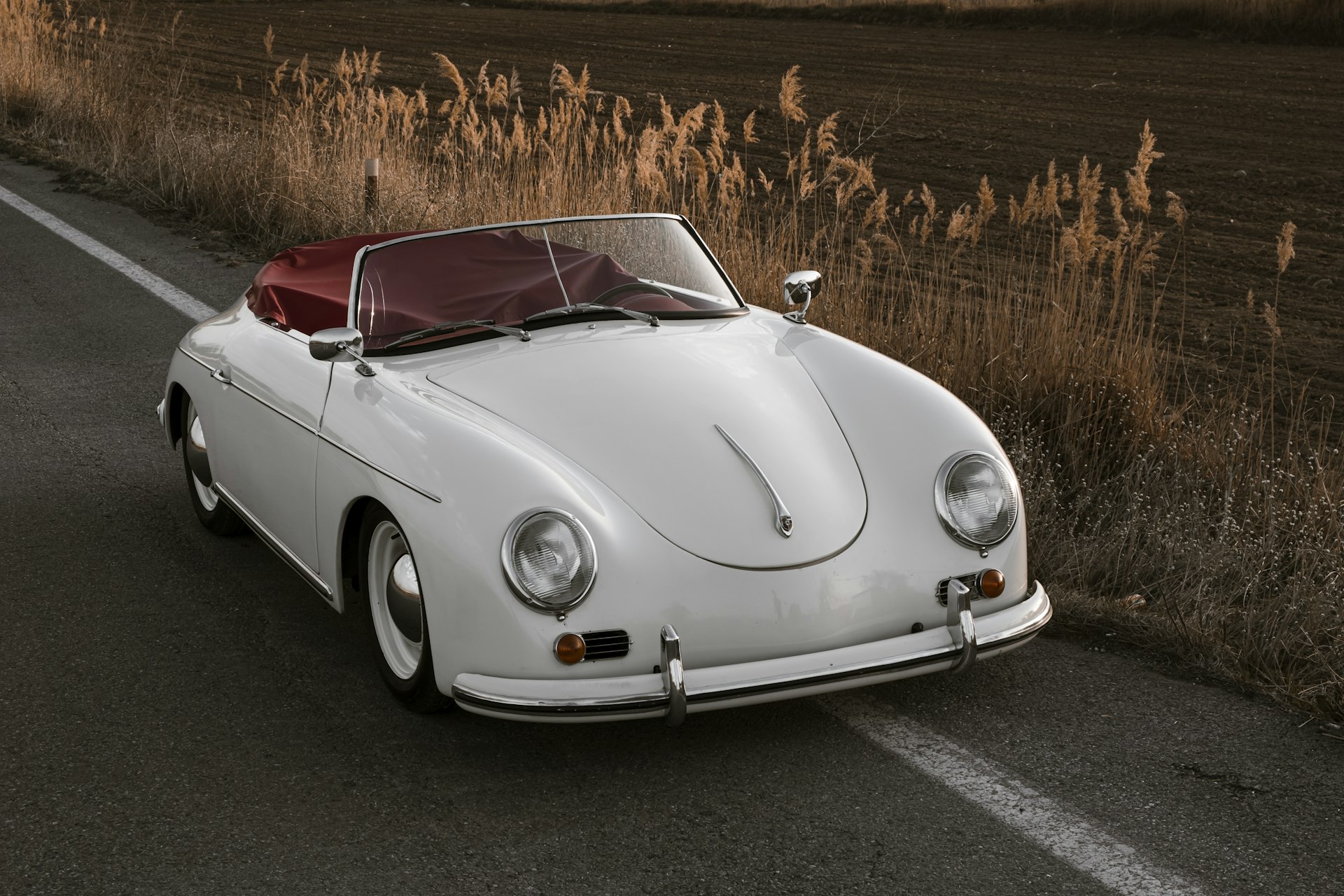
Collector use is different from everyday driving
A classic or collectible vehicle may be used for pleasure drives, club events, exhibitions or restoration rather than daily transportation. Specialized insurers can apply eligibility rules for the vehicle, drivers, annual use, storage and the availability of another vehicle for everyday driving.
Those rules differ by insurer. Occasional use does not automatically produce a particular premium or guarantee eligibility, so the actual quote should be reviewed before making assumptions.
Agree on what the vehicle is—and how value is handled
The conversation begins with the vehicle’s identity, condition and significance. Insurers may request photos, ownership history, restoration records, receipts or a professional appraisal. Ask how the policy defines the insured value and how a partial or total loss would be settled.
Important distinctions can include:
- The valuation method shown in the policy
- Whether the value needs to be updated as the market or restoration progresses
- How original, reproduction and custom parts are treated
- Whether spare parts, tools or automobilia have any coverage
- Coverage while the vehicle is being transported or temporarily displayed
Only the issued policy and endorsements establish the coverage.
Disclose use, storage and work in progress
Tell the advisor where and how the vehicle is stored, who drives it, expected annual distance and whether it participates in rallies, timed events, track activities or commercial displays. Security systems, enclosed storage and seasonal location changes may be relevant.
A vehicle under active restoration may not fit the same policy as a completed road-ready collector car. Discuss dismantled parts, work completed off-site, transit to a restoration shop and changes that increase value during the project.
Review the Ontario auto-policy choices too
Collector status does not remove the need to understand liability limits, mandatory and optional accident benefits, DCPD, uninsured automobile protection, deductibles and optional physical-damage coverage. As of July 1, 2026, only medical, rehabilitation and attendant-care benefits remain mandatory under affected Ontario automobile policies; other accident benefits are optional. Review how the collector policy interacts with the household’s other vehicles and listed drivers.
If the vehicle is a modern luxury or performance model used regularly, see high-value vehicle insurance. The Ontario auto insurance overview explains the benefit transition and DCPD election; for general passenger-vehicle guidance, visit car insurance.
Bring the right records to the discussion
Gather the ownership, vehicle identification number, photos, appraisal or valuation records, restoration invoices, driver details and expected use. Contact Westoak to discuss whether a standard or specialty market may fit the vehicle.