
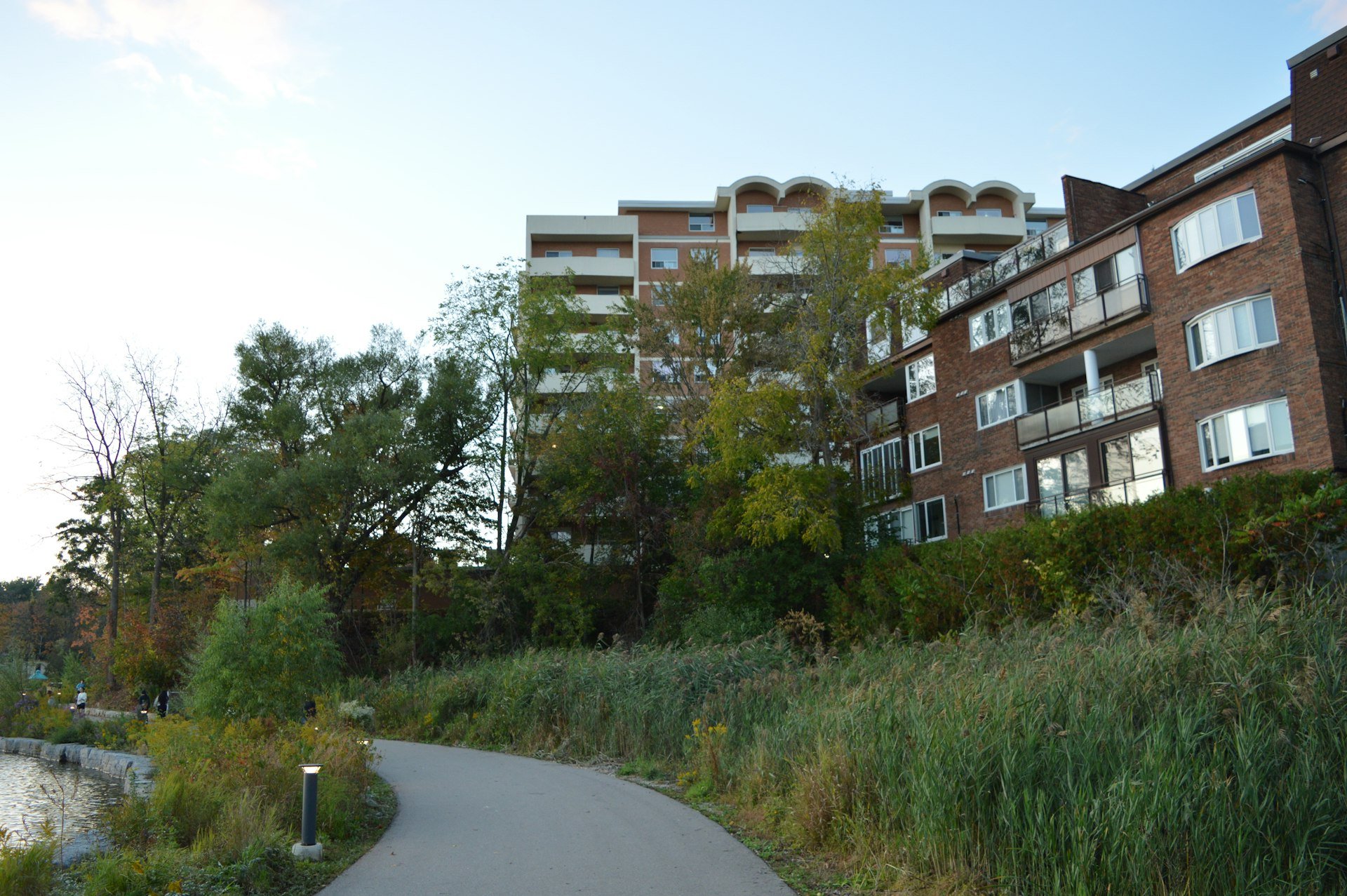
A tenant-occupied property needs different disclosure
Ordinary home insurance is written around the occupancy described to the insurer. Renting a house, condominium, duplex or secondary unit changes who lives there, who owns the contents and how liability and income should be reviewed.
The Insurance Bureau of Canada advises property owners to disclose rental occupancy and notes that a separate policy may be needed when the owner does not live at the property.
Coverage should reflect the landlord’s property
Depending on the dwelling and insurer, a landlord policy may address:
- The building and attached structures after an insured loss
- Appliances, fixtures and other landlord-owned contents
- Premises liability for covered injury or property-damage allegations
- Lost rental income following insured physical damage
- Water, sewer backup, overland flood or earthquake where selected and available
- Equipment breakdown, service lines or bylaw-related rebuilding where offered
Confirm the valuation method, deductibles, vacancy conditions and the period used for rental-income coverage. Maintenance, wear, pests and deliberate tenant damage may not be covered as an owner expects.
Tenant insurance serves a different purpose
The landlord’s policy does not insure a tenant’s furniture, clothing or personal liability. Ontario’s standard lease guide states that a landlord and tenant can agree whether the tenant must carry liability insurance; contents insurance remains the tenant’s choice under that form.
Requesting evidence of tenant insurance can be a useful practice, but it does not transfer all landlord responsibilities or make the landlord an insured under the tenant’s policy.
Describe every unit and occupancy
Tell the broker the number of units, tenant relationships, lease terms, owner occupancy, student or group occupancy, property management and any commercial use. A rooming house, short-term rental or building with several units can require different underwriting.
Use our short-term rental guide for frequent guest stays and the rooming-house guide for lodging-house exposures.
Vacancy, renovations and tenant changes matter
Report an empty unit, major renovation, change in the number of tenants or interruption of utilities. Policies can impose conditions or restrict coverage after a defined period of vacancy. Keep leases, inspections, maintenance and safety records, and follow applicable residential-tenancy, fire, building and municipal requirements.
Prepare the property review
Bring the address, construction, replacement estimate, unit count, occupancy, leases, landlord contents, rental income, mortgages, renovations, protection systems and claims history. Contact Westoak before a tenant moves in or the use changes so available landlord terms can be reviewed on accurate information.