
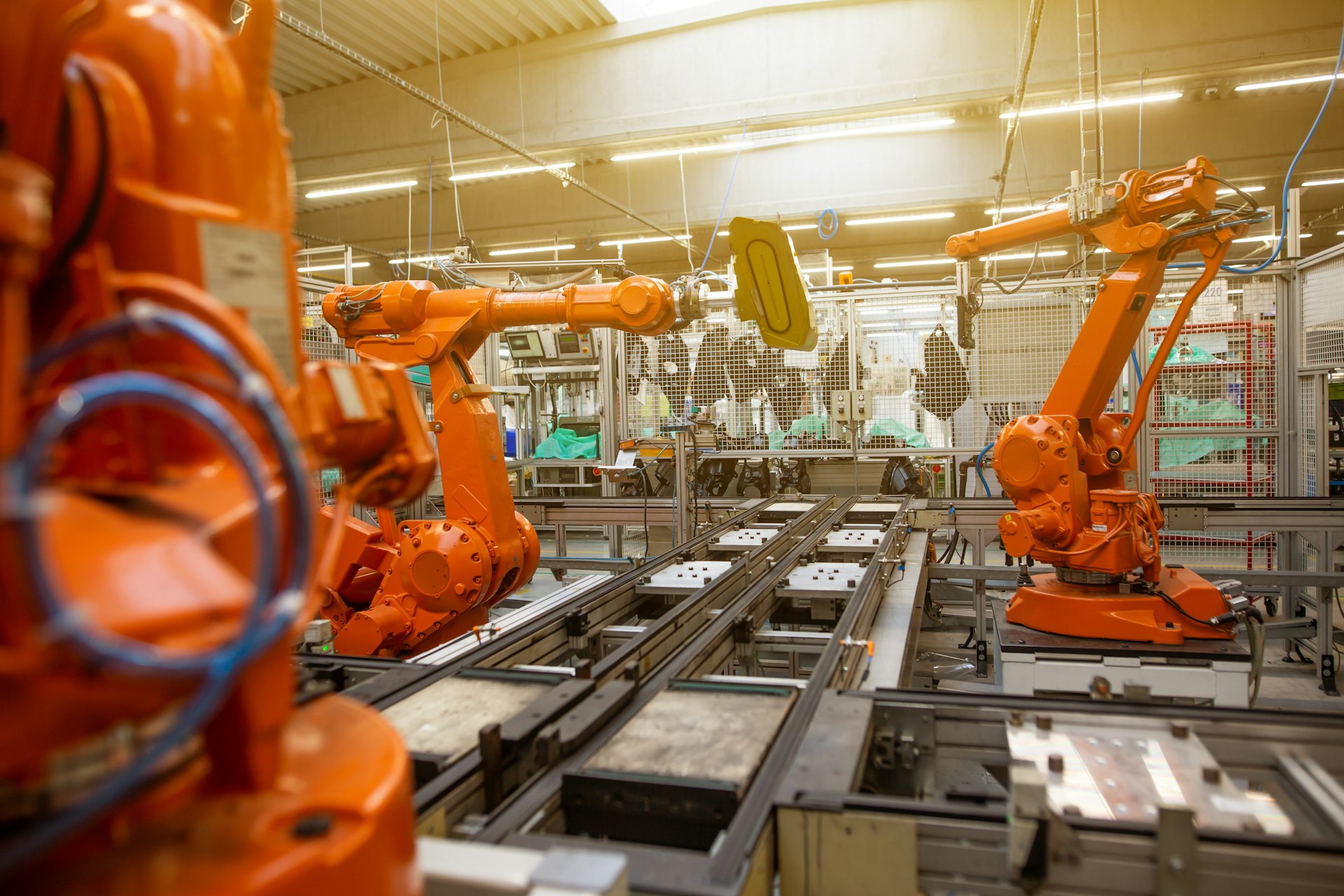
Production risk follows the process, not just the building
A manufacturer can suffer physical damage, equipment failure, defective output or a supplier interruption from the same operational dependency. The insurance submission should explain how raw materials become finished products, where bottlenecks exist and what a shutdown would cost.
Provide products, processes, annual sales, customer industries, locations, shifts, heat or chemical use, outsourced work and quality-control details. Identify any aviation, automotive, medical, food or safety-critical components.
Protect plant and production assets
Review coverage for:
- Buildings, tenant improvements, machinery, tooling, stock and finished goods
- Equipment breakdown, expediting expense and property damage from a covered breakdown
- Business interruption, extra expense and contingent supplier or customer interruption
- Inland marine and cargo for materials or equipment in transit and off premises
- Crime and cyber for systems, funds and production technology
- Commercial automobile and mobile equipment
Values should reflect current replacement cost, installation, freight, duties and commissioning. Specialized machinery can take much longer to replace than the building takes to repair.
Separate product liability from recall expense
Product liability may address covered bodily injury or property damage arising from a product. The cost to withdraw, inspect, replace or rehabilitate the insured’s own product may require recall coverage. Maintain batch traceability, testing, supplier records, complaints and a written escalation plan.
Review customer contracts for warranties, indemnities, insurance requirements and responsibility for consequential losses.
Address machinery and environmental controls
Ontario Regulation 851 includes workplace requirements for industrial establishments, including machinery safeguards. Maintain preventive maintenance, lockout procedures, inspections, hot-work controls and incident records. Insurance does not replace occupational health and safety duties.
Fuel, chemicals, wastewater and waste can create cleanup obligations. Document storage, secondary containment, contractors and spill response, and consider environmental liability.
Quantify the supply-chain dependency
Identify single-source suppliers, custom tooling, utilities, outsourced processors and customers that materially affect revenue. Test alternate sourcing and recovery assumptions.
Contact Westoak with the process narrative, statement of values, equipment list, products, contracts and continuity estimates so property, liability, breakdown, recall and interruption options can be compared on consistent facts.