
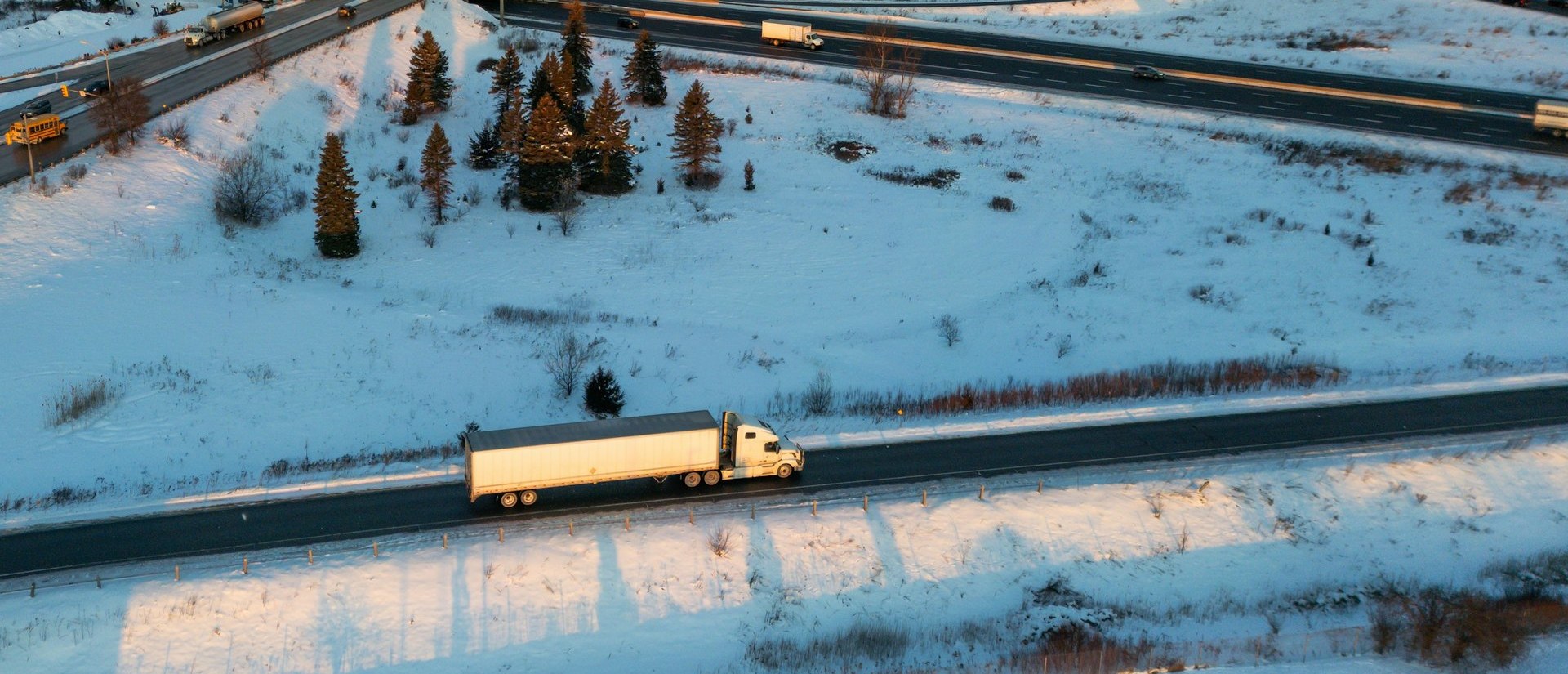
Transportation risk is operational, not just automotive
Vehicles are central to a carrier or delivery business, but the exposure also includes cargo, terminals, drivers, contracts, dispatch systems and interruptions. Routes, commodities, radius, cross-border travel and subcontracting can materially change what an insurer is being asked to cover.
Westoak helps transportation businesses present a complete operation rather than treating every unit as an isolated vehicle.
Coverage areas to review together
A transportation program may combine:
- Commercial automobile liability and physical damage for scheduled vehicles
- Cargo coverage with limits and exclusions suited to the goods transported
- Commercial general liability for non-automobile operations
- Non-owned automobile exposure when staff or contractors use vehicles the business does not own
- Commercial property for terminals, contents, tools and equipment
- Cyber and crime coverage for dispatch, payment and records systems
- Business interruption insurance where a covered loss affects operations
Trailer interchange, hired vehicles, refrigeration breakdown, towing, debris removal and pollution may require specific extensions or separate terms.
Fleet controls influence the submission
Ontario’s Commercial Vehicle Operator’s Registration program monitors the safety performance of qualifying operators. Registration and safety obligations are separate from insurance, but driver qualification, maintenance, inspections and collision history are material underwriting information.
Maintain an up-to-date vehicle and driver schedule. Use written hiring criteria, motor-vehicle record checks, training, hours-of-service controls where applicable and documented preventive maintenance. Telematics can support coaching, but the business should establish who reviews alerts and how records are used.
Cargo and contracts require precision
Describe the maximum value in any one vehicle, seasonal peaks, temperature sensitivity, theft attractiveness and loading responsibility. A generic cargo limit may not address excluded commodities or losses during unattended stops. Shipper agreements can also impose deadlines, indemnities or insurance requirements beyond the policy.
What to bring to the review
Prepare vehicle registrations, driver abstracts and experience, CVOR information where applicable, routes, commodities, revenues, contracts, subcontractor use, maintenance records and loss runs. Report new territories, higher-value loads or new vehicle classes before the change. Contact Westoak to organize a transportation submission that reflects how the fleet actually operates.