
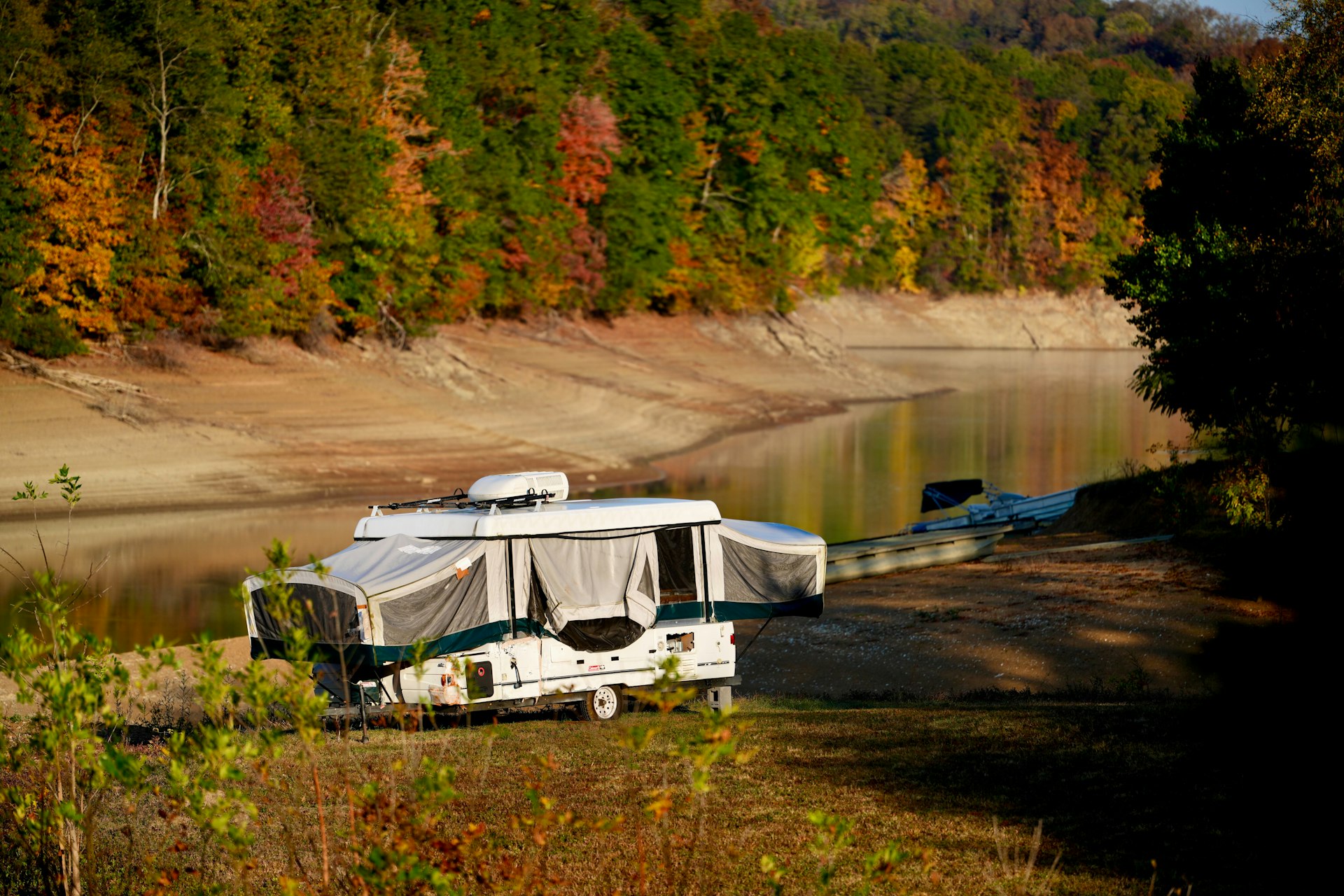
Motorhomes and travel trailers need different treatment
A motorhome is a motor vehicle with its own registration and auto-insurance considerations. A travel trailer is towed and has a different combination of physical-damage, contents and campsite liability questions. Neither should be added to a policy by name alone.
Ontario provides separate registration guidance for motorhomes and trailers. Registration does not by itself establish that every type of loss is insured. Our recreational and leisure overview explains how this coverage fits beside other seasonal vehicles and watercraft.
Review both the road and living-space exposures
Depending on the unit and policy, coverage may address:
- Mandatory automobile coverage for a motorhome
- Collision, upset, comprehensive or specified perils when selected and accepted
- The trailer or motorhome body, permanently installed equipment and awnings
- Personal property kept in the unit, subject to limits and exclusions
- Liability while the unit is parked and used as temporary accommodation
- Emergency vacation expense, towing or roadside assistance where offered
Water damage, roof leakage, mechanical failure, wear, vermin and freezing may not be covered as an owner expects. Ask how the policy treats attached decks, sheds, satellite equipment and other improvements at a seasonal site.
Tell the insurer how and where it is used
Full-time occupancy, long seasonal stays, rental to others, business use or permanent siting can require different underwriting. Provide travel territory, annual mileage, drivers, campground location, storage arrangements and whether the unit crosses into the United States.
For a trailer, confirm the towing vehicle is suitable and properly insured. Liability from towing and physical damage to the trailer are separate questions. List expensive bicycles, sports equipment or electronics that may exceed ordinary contents limits.
Protect the unit while it is stored
Use documented winterization, battery and propane procedures, water-system inspection and secure storage. Retain photographs and receipts for upgrades. Tell your broker if the unit is moved to a different seasonal site, significantly renovated or used longer than originally disclosed.
Prepare the details before requesting terms
Gather the vehicle identification number, registration, make, model, year, purchase price, current value, drivers, towing vehicle, accessories, storage and claims history. Contact Westoak to review the unit as both a vehicle or trailer and a temporary living space. Eligibility and coverage depend on insurer rules and policy wording.