
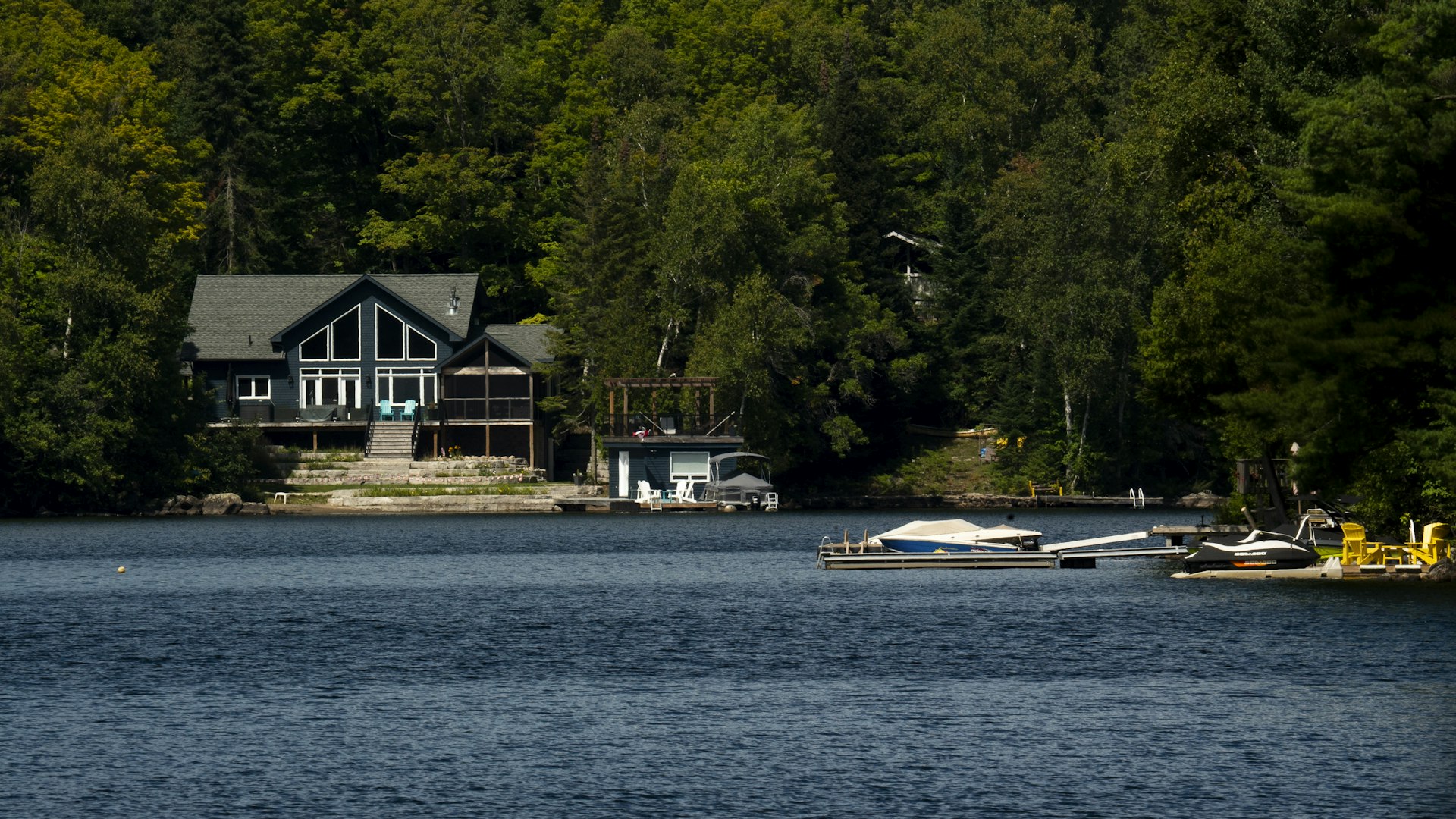
Seasonal occupancy changes the questions
A cottage may be closed for winter, inaccessible for part of the year or unoccupied for long stretches between visits. Insurers can differ in how they define seasonal use and what protection they offer, so the policy should reflect the real occupancy schedule and property access.
Explain who uses the cottage, when it is opened and closed, how it is checked during absences and whether family, guests or paying renters stay there.
Document the cottage and site
The review may include:
- Construction, roof, heating, electrical and plumbing systems
- Well or lake-water supply, septic system and winterization procedures
- Road or water access and distance from responding fire services
- Wood stoves, fireplaces, fuel storage and backup generators
- Docks, boathouses, bunkies, sheds and other detached structures
- Smoke, carbon-monoxide, security, low-temperature and water-leak protection
Ontario requires working smoke alarms in homes, cottages, cabins and seasonal homes, and carbon-monoxide alarms are required in applicable circumstances. Testing and maintaining those devices is a safety responsibility as well as useful risk information.
Understand the available causes of loss
Seasonal policies may not offer the same breadth of coverage as a principal-residence policy. Ask whether the form is named-perils or broader coverage, how the building and contents would be settled, which deductibles apply and how water damage, sewer backup, overland water, theft, vandalism and wildfire are treated.
Review any condition requiring the property to be heated, winterized, shut off or inspected. A claim can turn on the actual policy language and the steps taken while the cottage was unattended.
Separate buildings, boats and rental activity
Confirm limits for docks, boathouses, bunkies and equipment. Boats, trailers, ATVs and other recreational vehicles may require separate policies; start with the recreational and leisure overview.
Tell the broker before offering the cottage as a short-term rental or accepting paying guests. Rental activity can change the policy and liability exposure even when it occurs only a few times a year.
If the property is available and occupied throughout the year, secondary-home insurance may be a better starting point.
Prepare for the cottage review
Gather ownership and mortgage details, photos, construction information, a list of outbuildings and recreational property, occupancy and rental plans, fire-protection details and claims history. Contact Westoak to discuss available cottage-policy options and the information an insurer will require.