
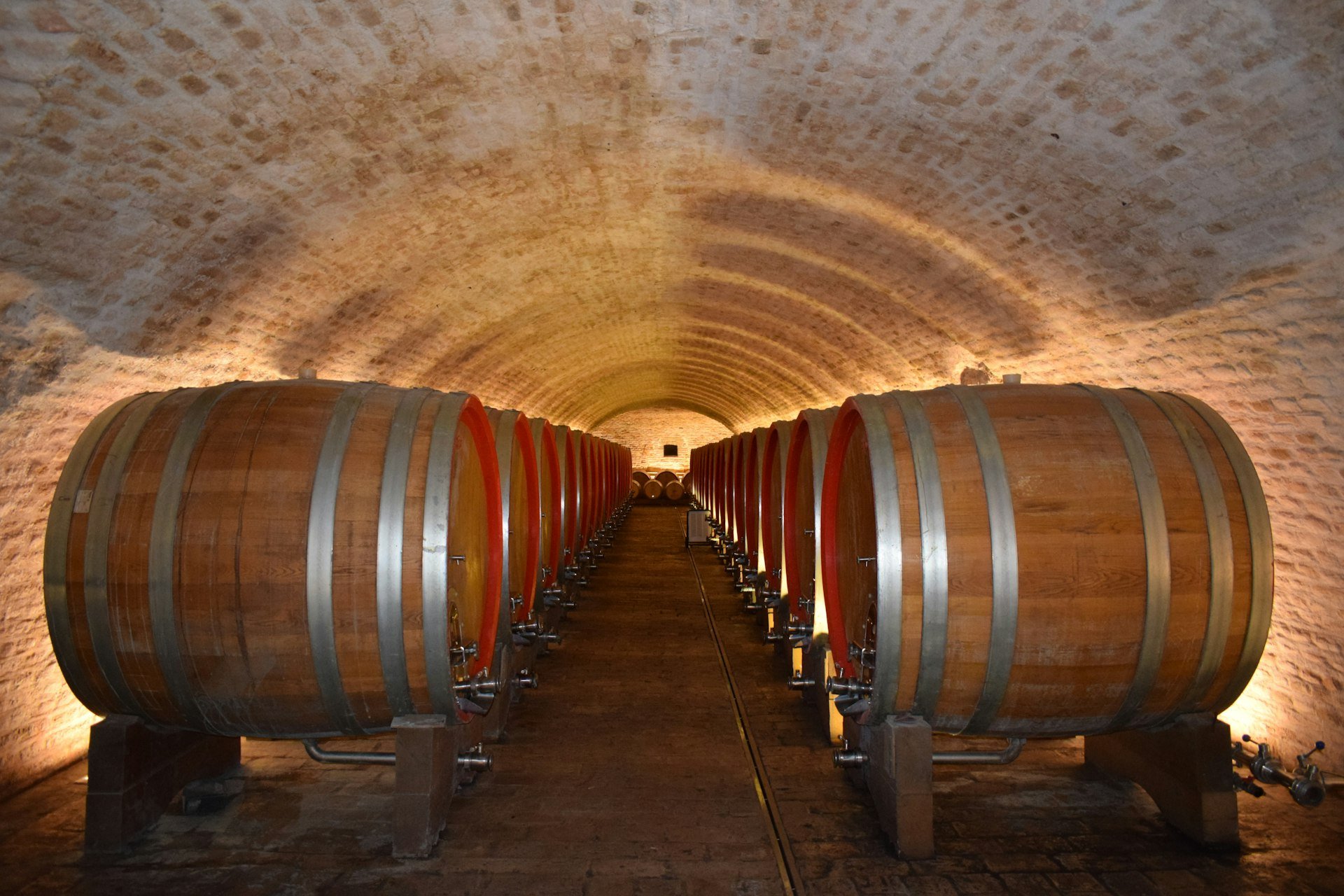
A cellar can exceed ordinary contents protection
The Insurance Bureau of Canada identifies wine collections among valuables that may not be fully protected by a standard home policy. Total value, individual bottle values, storage and the causes of loss covered should be reviewed explicitly.
Personal collecting is also different from importing, dealing, storing wine for others or operating a commercial cellar.
Inventory and valuation are essential
Maintain a bottle-level inventory with producer, vintage, format, purchase information and current value. Photograph cases and labels, and keep invoices or auction records. Store a secure copy of the inventory away from the cellar.
Ask how the insurer values a bottle after a covered loss and how often values should be updated. Market price, purchase cost and an insured schedule may differ.
Climate and equipment create linked risks
Describe cellar construction, temperature and humidity controls, alarms, backup power, drainage and the maintenance of cooling equipment. Equipment breakdown and resulting temperature change or spoilage may be treated differently from direct physical damage.
Review leakage, label damage, cork failure, gradual deterioration, breakage and water damage. Not every cause that affects drinkability is an insured event.
Transit and off-site storage need attention
Tell the broker about professional storage, auction houses, shipments, travel and bottles kept at another residence. Transit can require suitable packing, temperature management and proof of condition. Territory and per-shipment limits should match how the collection moves.
Prepare the cellar review
Bring the inventory, total and maximum bottle values, receipts, photographs, storage and security details, equipment information, transit plans and claims history. For other valuables, see our broader collections insurance guide.
Contact Westoak after a major purchase, cellar renovation or change of storage so the insured information stays current.