
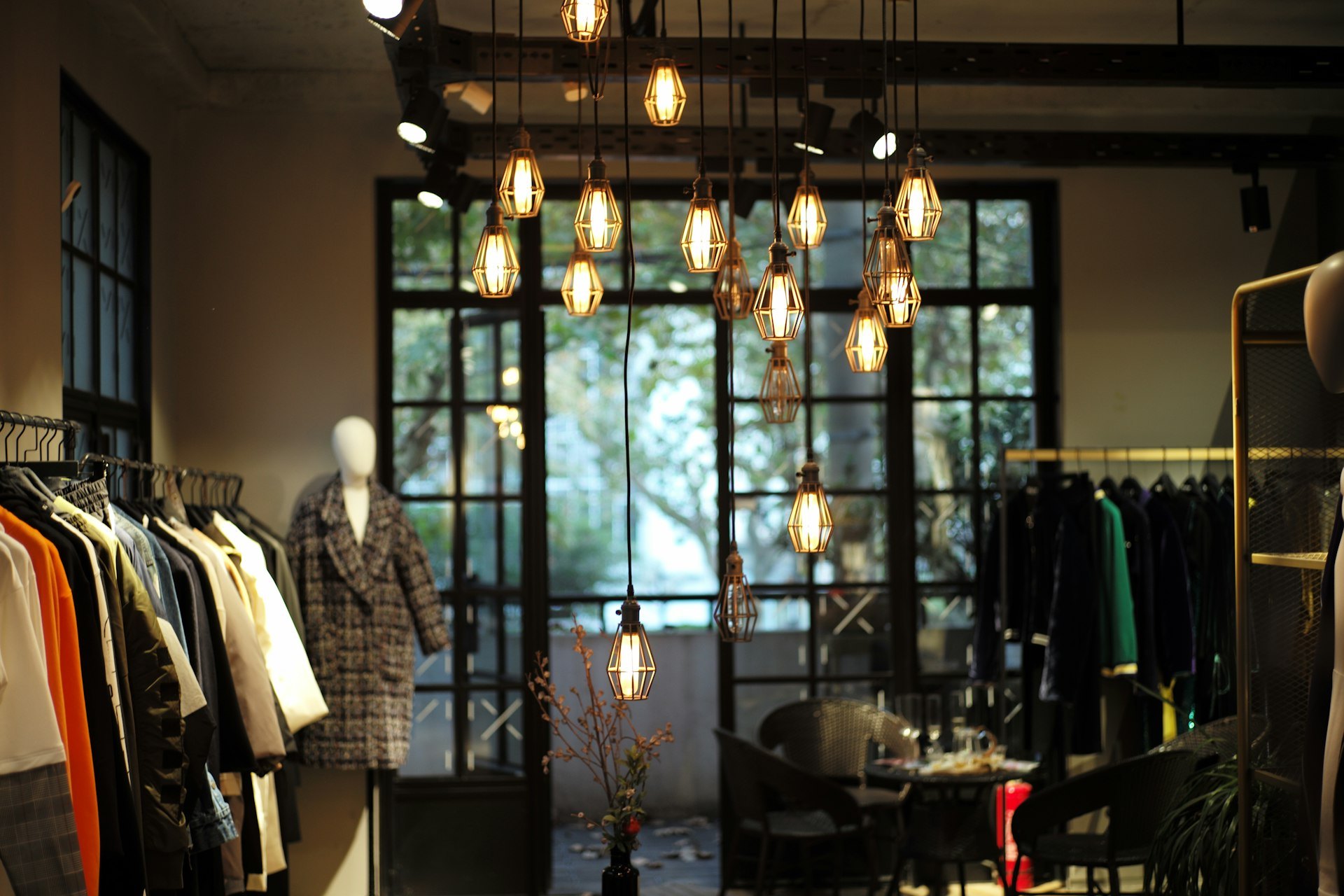
Retail risk changes with the merchandise and sales model
A neighbourhood shop, specialty importer and online seller do not present the same risk. Product type, seasonal inventory, customer traffic, delivery, installation, private-label goods and storage locations all influence coverage and insurer appetite.
Westoak begins with how merchandise moves through the business—from supplier to warehouse or store, then to the customer—so important property and liability exposures are not separated from the real operation.
A practical retail coverage review
Common components include:
- Commercial property insurance for stock, fixtures, equipment and tenant improvements
- Commercial general liability for covered customer injury and property-damage allegations
- Product liability insurance for goods sold, imported, distributed or branded by the retailer
- Crime coverage for specified theft, employee dishonesty or funds-transfer events
- Cyber coverage for e-commerce, privacy and payment-system incidents
- Business interruption insurance for covered losses that halt or reduce operations
Transit, off-site stock, pop-up locations, outdoor signs, glass, equipment breakdown and sewer backup may need separate attention.
Inventory values must reflect peak periods
An average annual stock figure may be inadequate during holidays or other buying seasons. Document maximum values by location, goods held off site and inventory that belongs to someone else. Review whether the settlement basis, coinsurance clause and limits match the values the policy expects you to report.
Keep purchase records, photographs and an off-site inventory backup. These steps do not guarantee claim payment, but they can make the value and ownership of damaged goods easier to demonstrate.
Product responsibilities continue after the sale
Retailers that import, manufacture or sell consumer products may have incident-reporting responsibilities. Health Canada provides guidance for industry under the Canada Consumer Product Safety Act. Insurance should be paired with supplier records, lot tracking, complaint escalation and a recall plan; standard product liability does not automatically pay every recall expense.
Tell the whole sales story
Prepare annual and projected sales by product, online versus in-store revenue, locations, stock peaks, importing countries, delivery and installation services, payment methods and loss history. Contact Westoak when opening a location, adding private-label products or changing fulfilment arrangements so the insurance review keeps pace.