
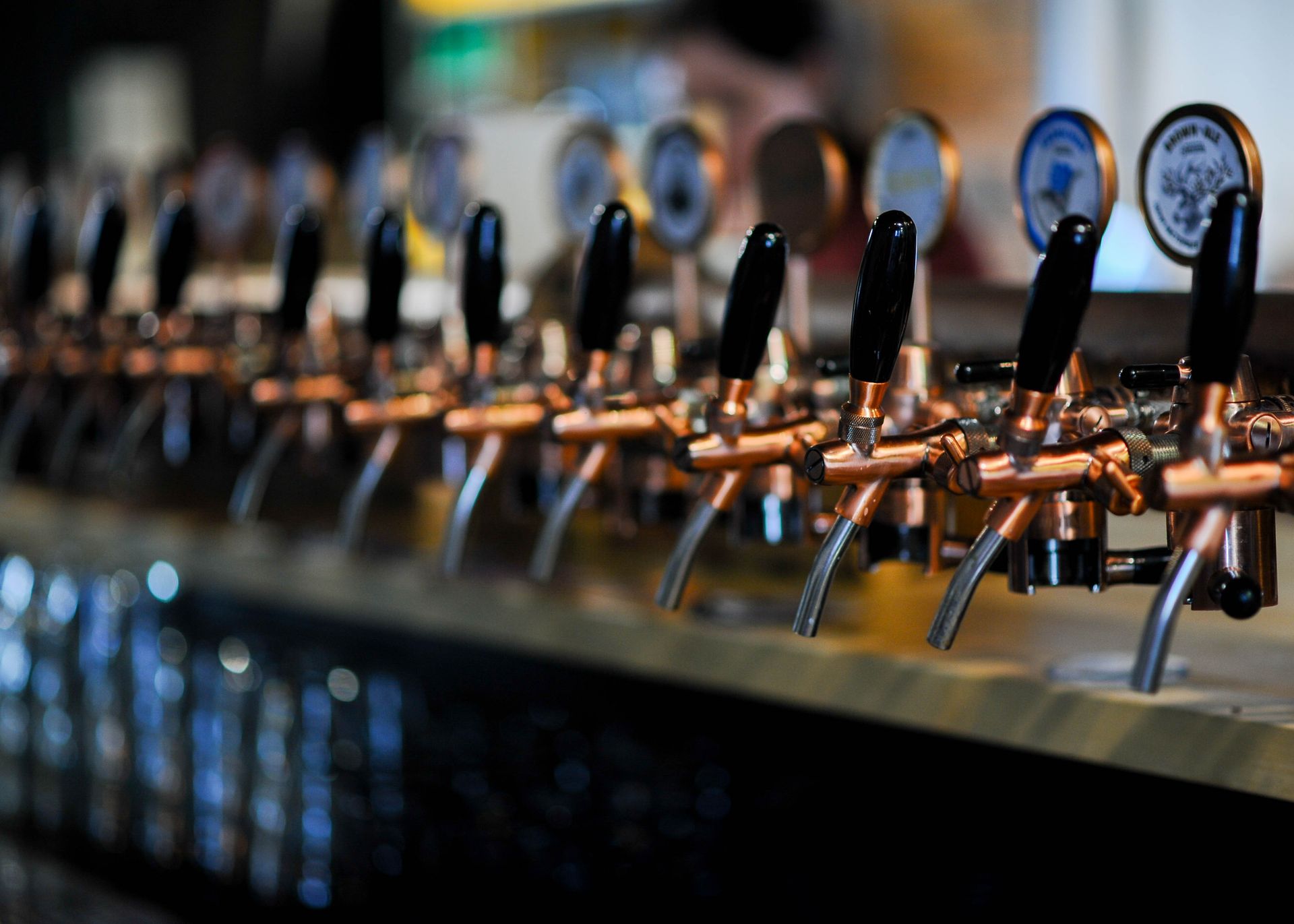
Alcohol changes the liability profile
Restaurants, bars, caterers, venues, event organizers and occasional hosts can face allegations connected to serving, selling or furnishing alcohol. Claims may involve injury to a guest, third-party injury or property damage after a guest leaves, or failures in supervision and security.
Liquor liability can be included within a commercial general liability policy, added by endorsement or arranged for a specific event. The available structure depends on whether alcohol service is incidental or central to the operation.
Confirm who is insured and what activity is covered
Review whether the policy addresses:
- The named organization and its employees or volunteers
- Alcohol sold, served, supplied or permitted at the premises or event
- Off-site catering, delivery, tastings or special events
- Host liquor exposure for an organization that does not regularly sell alcohol
- Defence costs, limits and deductibles
- Additional insured requirements from a venue, landlord or municipality
Exclusions or conditions can apply to unlicensed activity, service outside approved hours or areas, age violations, expected injury and particular entertainment. The policy wording controls; a permit is not proof of liability coverage.
Permits and service requirements are separate obligations
The Alcohol and Gaming Commission of Ontario administers Special Occasion Permits and Ontario’s liquor framework. Event type, venue and the way alcohol is supplied determine which approvals and notices may apply. Confirm current requirements with the AGCO and municipality before advertising or purchasing alcohol.
Document responsible-service training where required, age verification, refusal-of-service procedures, incident reporting, security, safe transportation options and how intoxicated guests will be managed. Written controls help staff act consistently but do not prevent every claim.
Give the insurer a complete operational picture
Provide annual alcohol sales, food-to-alcohol ratios, hours, seating and standing capacity, entertainment, patios, prior infractions and claims. For events, include attendance, event hours, permit status, server arrangements and whether alcohol is sold or provided without charge.
If a third-party caterer or bartender is engaged, obtain its contract and insurance evidence. Confirm responsibility for purchasing, controlling and serving alcohol rather than assuming the vendor accepts all risk.
Coordinate coverage before service begins
Review ongoing premises through restaurant insurance and temporary functions through event insurance. Contact Westoak with the operating details and agreements so available liquor and general liability terms can be compared before the event or policy period starts.